
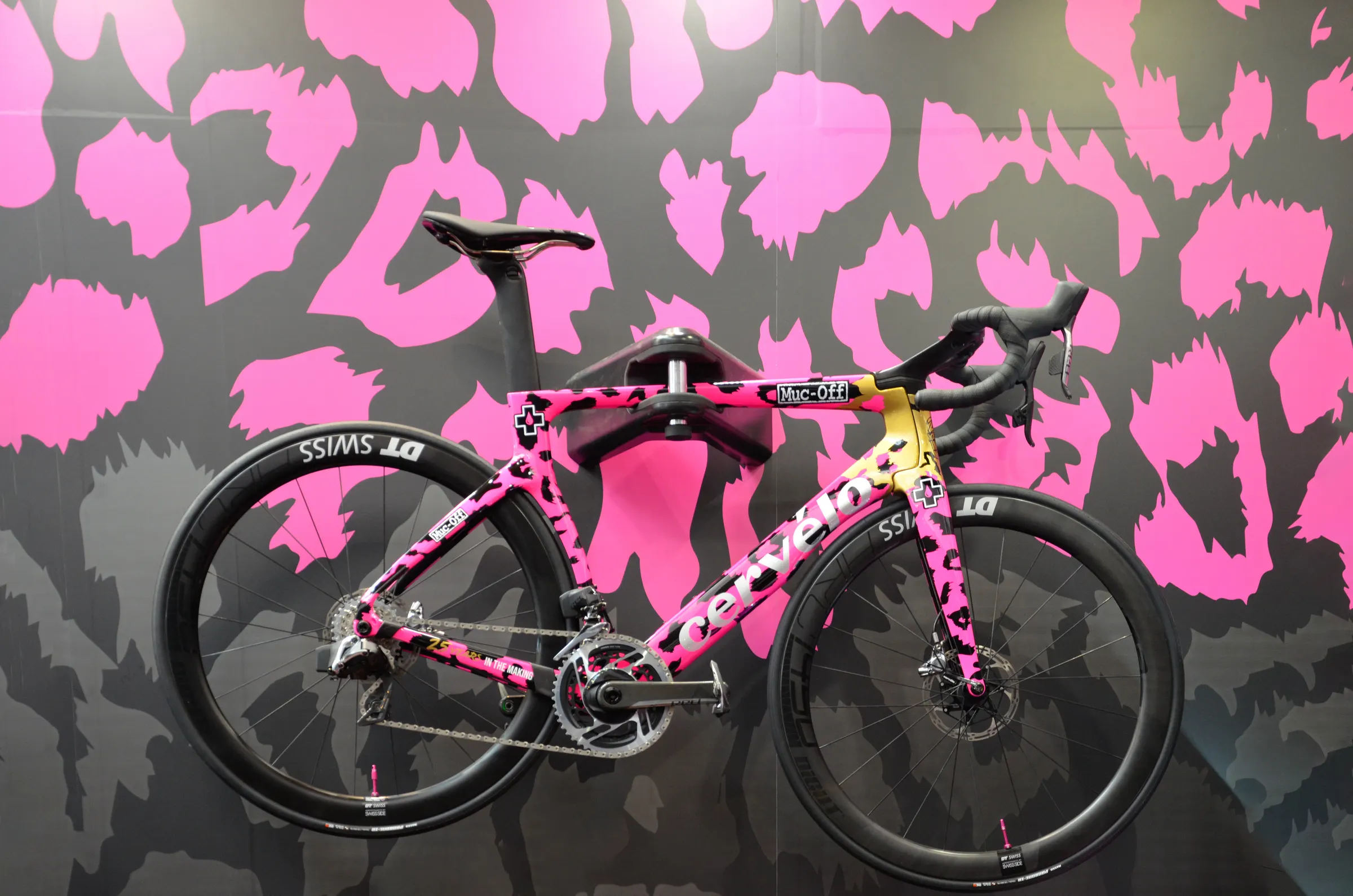
Eurobike 2019 — Friedrichshafen, September 4–7
The E-Bike Boom Is Just Getting Started
The e-bike boom is just getting started. After visiting Eurobike in 2018, we returned in 2019 and the shift was even more visible. Electric drives dominated every hall. The fair drew over 40,000 trade visitors and 1,500 exhibitors from 62 countries (source: Messe Friedrichshafen). For the first time, the final day was open to end consumers — a clear sign that e-bikes are no longer a niche product.
E-bikes, cargo bikes and e-scooters were the highlights. They were positioned as serious urban transport for a broad public. At Entwurfreich, we attend fairs across industries — from Techtextil in Frankfurt to MWC in Barcelona. We track the design trends that shape our industrial design work. This ZOOM-IN Trendreport captures the key findings from Eurobike 2019.
Five Key Trends at Eurobike 2019
1. Why Are E-Bikes Going Mainstream?
E-bikes were everywhere at Eurobike 2019. Not just city bikes — electric drives appeared in mountain bikes, road bikes, gravel bikes and even folding bikes. The global e-bike market was valued at $23.9 billion in 2019 and is projected to reach $48.6 billion by 2028 (source: Fortune Business Insights).
In Europe, e-bike sales grew by 23% year-on-year in 2019. Germany alone sold 1.36 million units (source: ZIV). The technology has matured. Motors are lighter and quieter. Batteries last longer. Price points have dropped to the mid-range.
For product designers, this means new briefs. How do you design a motor housing that fits invisibly into a frame? How do you create a battery that is easy to remove but hard to steal? These are industrial design challenges, not just engineering ones.
2. How Are Cargo Bikes Changing Urban Logistics?
Cargo bikes had their own hall at Eurobike 2019. That says everything. They have moved from alternative lifestyle to serious urban transport. Cities like Amsterdam, Copenhagen and Berlin are building dedicated cargo bike lanes.
Riese & Müller, Urban Arrow and Tern all showed new electric cargo models. Some carry up to 200 kg. Delivery companies like DHL and UPS are testing cargo bike fleets for last-mile logistics. The economics work: lower cost per delivery, zero emissions, faster in congested traffic.
For families, cargo bikes replace second cars. For businesses, they replace delivery vans. The design challenge is clear. How do you make a vehicle that carries heavy loads but still feels nimble and safe?
3. How Is Integrated Design Transforming the Bicycle?
The biggest visual change at Eurobike 2019: bikes are getting cleaner. Batteries disappear into down tubes. Motors hide inside bottom brackets. Cables run internally. Lights are built into the frame.
This is not just aesthetics. It is about protection and durability. Integrated components are shielded from weather, dirt and impact. They also reduce theft appeal — a battery you cannot see is a battery you do not steal.
Brose — one of our interview partners — showed drive systems so compact they are invisible from the outside. Fazua presented a removable motor-battery unit that turns an e-bike into a regular bike in seconds. By 2019, over 60% of new e-bike models featured fully integrated batteries (source: ZIV industry report). For industrial designers, integration is the new frontier. The best e-bike of the future will not look like an e-bike at all.
4. What Does Connected Cycling Look Like?
Bikes are becoming smart devices. At Eurobike 2019, GPS tracking, integrated sensors and companion apps were standard across premium brands. Bosch showed its Nyon display — a handlebar computer with navigation, fitness tracking and e-bike diagnostics in one unit.
Stromer — another interview partner — builds connectivity into every bike. Their OMNI platform links bike, rider and smartphone. It tracks location, monitors battery health and enables remote locking. If the bike is stolen, the owner can locate it in real time.
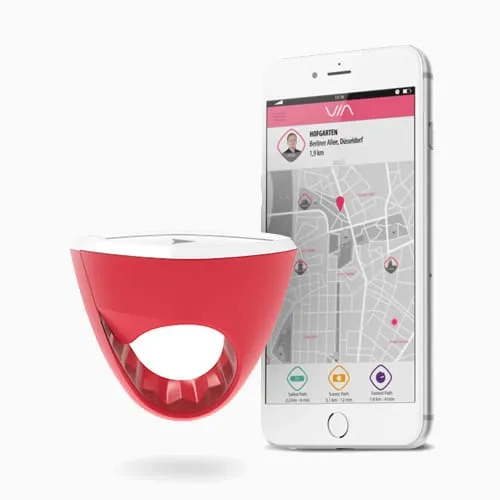
The global smart bike market was valued at $900 million in 2019, projected to reach $2.3 billion by 2026 (source: Allied Market Research). For product designers, connected cycling raises the same questions as IoT in any category. How much data is useful? Where does the interface live — on the bike, on the phone, or both? We explored similar questions at the ISH trade fair and in our VIA bike navigation project.
5. How Is Micro-Mobility Reshaping Cities?
E-scooters were the surprise topic at Eurobike 2019. Germany had just legalised them in June 2019. Suddenly, every mobility brand had a scooter model. Segway-Ninebot, Xiaomi and dozens of startups competed for floor space.
But micro-mobility goes beyond scooters. The global e-scooter market was valued at $18.6 billion in 2019, with projections exceeding $41.9 billion by 2030 (source: Grand View Research). Light electric vehicles — from electric skateboards to compact e-mopeds — are filling the gap between walking and driving. The concept: short trips under 5 km should not require a car.
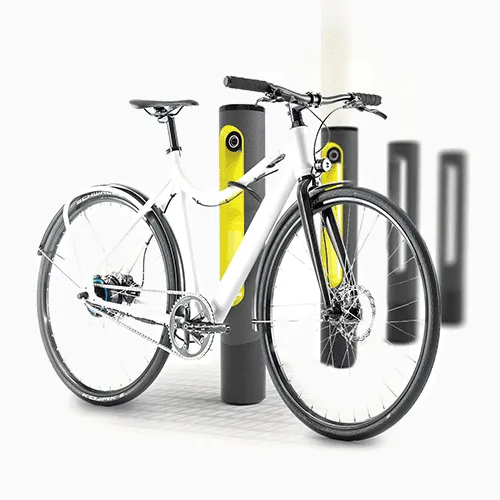
For cities, this creates new challenges. Infrastructure, parking, safety regulation. For product designers, it means designing for a new use case: vehicles that are light, foldable, shareable and tough enough for daily urban use. The SMARTPOLE e-bike charging station we designed addresses exactly this infrastructure gap.
Interviews: Insights from Industry Leaders
Jakob Luksch — Stromer
Stromer builds premium speed pedelecs in Switzerland. Luksch discussed how connectivity is becoming a core feature, not an add-on. Every Stromer bike ships with GPS, mobile data and over-the-air updates. His view: the bike of the future is a connected platform, not just a vehicle.
Horst Schuster — Brose
Brose is a major automotive supplier that entered the e-bike market with drive systems. Schuster spoke about the transfer of automotive engineering to cycling. Brose motors are silent, powerful and designed for integration. His point: the best motor is the one you do not notice.
Peter Wöstmann & Rolf Kathrein-Lehmann — Ortlieb
Ortlieb is Germany's leading manufacturer of waterproof bike bags. Wöstmann and Kathrein-Lehmann discussed how the cargo bike trend is changing their product line. Bags must now handle heavier loads, fit different mounting systems and withstand daily commercial use — not just weekend touring.
Their perspective highlights a ripple effect. When the vehicle changes, the accessories change too. And for industrial designers, the accessory ecosystem is often where the real design challenges lie.
Report Preview
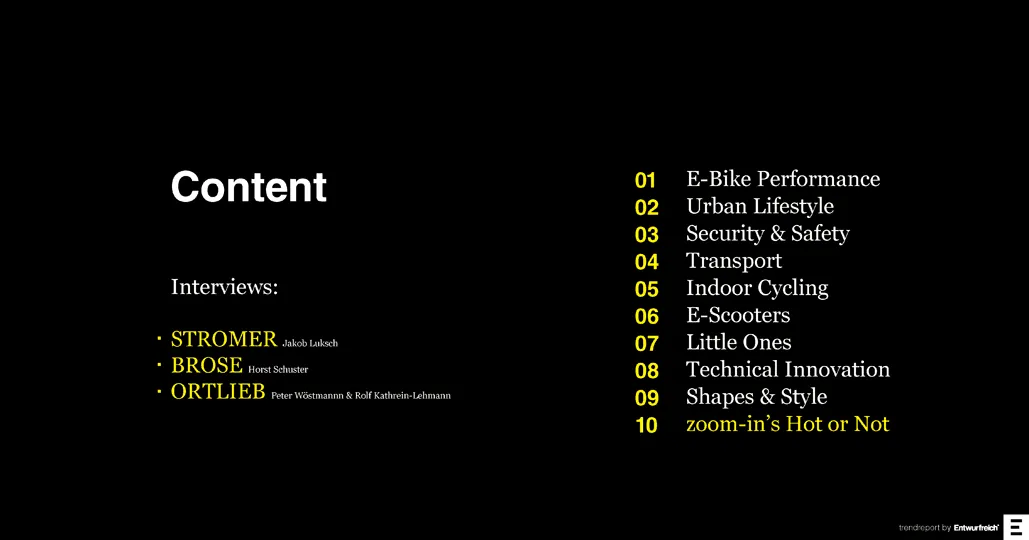
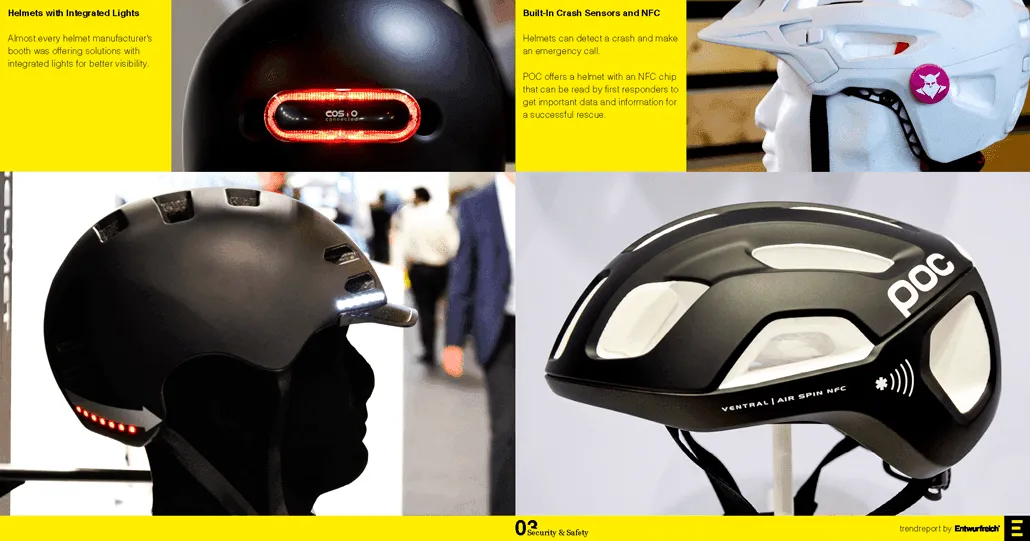
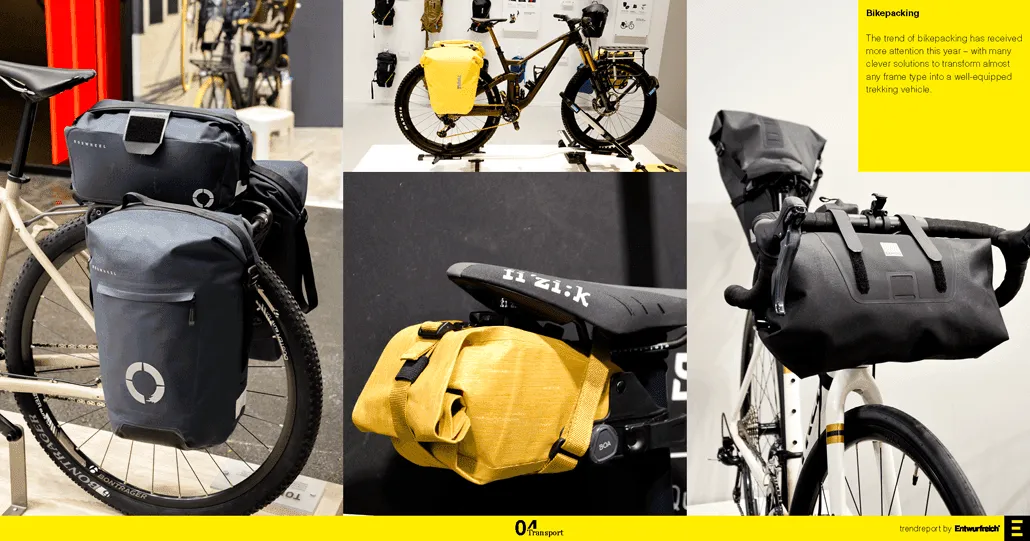
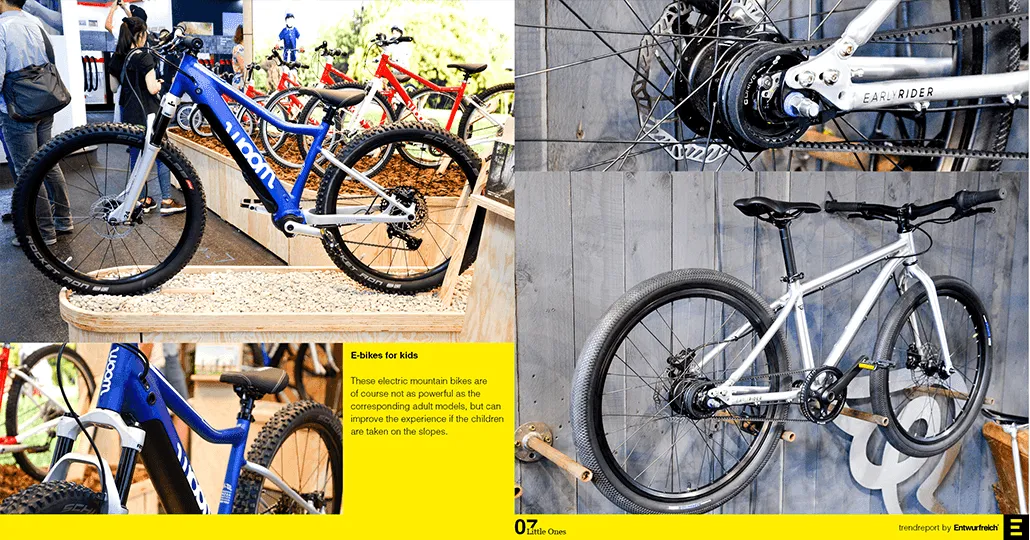
Our ZOOM-IN Trendreport captures the visual essence of Eurobike 2019. It covers all exhibition halls at Messe Friedrichshafen and the outdoor demo area. The full report includes trend analyses with over 70 original photos, our Hot or Not feature, and complete interviews with Stromer, Brose and Ortlieb.
Why It Matters for Product Design
The trends from Eurobike 2019 go beyond cycling. They reflect a broader shift in urban mobility. Electric drives, connected platforms and shared vehicles are reshaping how people move. These patterns apply to any product that sits at the intersection of transport, technology and daily life. At Entwurfreich, fairs like Eurobike are essential input for our work.
Our ZOOM-IN Trendreports turn these findings into clear insights for designers, product managers and decision-makers. Each report combines on-site photos, expert interviews and trend analysis in a compact format. Whether you are building an e-bike component, a charging station or a mobility app, the macro trends from Eurobike can give you a real edge.
How These Trends Have Evolved Since 2019
Editor's note (2026): The five trends from Eurobike 2019 have accelerated beyond expectations.
E-bikes: Now the fastest-growing segment in European cycling. Germany sold over 2 million units in 2023. The technology gap between e-bikes and regular bikes is closing fast.
Cargo bikes: Cities across Europe now subsidise cargo bike purchases. Commercial fleets are expanding. The vehicle category has matured from novelty to necessity.
Integrated design: Fully integrated frames are the new standard. Visible motors and external batteries look dated. The clean bike aesthetic has won.
Connected cycling: Theft tracking, ride analytics and remote diagnostics are common. Some insurers now offer lower premiums for GPS-tracked bikes.
Micro-mobility: E-scooter sharing has stabilised after initial chaos. Regulation has caught up. The category is now part of the urban transport mix.
Entwurfreich tracks these shifts through our ZOOM-IN reports and through project work including our SMARTPOLE charging station, VIA bike navigation and sustainable design initiatives.
Selected Projects
Frequently Asked Questions
What is Eurobike?
Eurobike is the world's leading trade fair for the cycling industry. In 2019, it was held at Messe Friedrichshafen on Lake Constance, Germany. The fair drew over 40,000 trade visitors and 1,500 exhibitors from 62 countries (source: Messe Friedrichshafen). It covers everything from road bikes and mountain bikes to e-bikes, cargo bikes, components and cycling apparel. Since 2022, Eurobike has moved to Messe Frankfurt, reflecting the industry's growth. The 2019 edition was notable for opening to end consumers for the first time.
What were the main trends at Eurobike 2019?
Five trends stood out. (1) The e-bike explosion, with electric drives going mainstream across all bike categories — Germany alone sold 1.36 million e-bikes in 2019. (2) Cargo bikes as serious urban transport for families and businesses. (3) Integrated design, where batteries, motors and cables disappear into the frame. (4) Connected cycling with GPS tracking, ride apps and remote diagnostics. (5) Micro-mobility, with e-scooters and light electric vehicles entering the urban mix after Germany legalised e-scooters in June 2019.
Who is Entwurfreich?
Entwurfreich is an industrial design agency in Düsseldorf, Germany. Founded in 2012, the team has done over 350 projects for 125+ clients including ABB, Vodafone, Henkel, Coca-Cola, Fujifilm and Covestro. The work spans product design, UX/UI, CMF design and strategy — from consumer tech to medical devices. The ZOOM-IN Trendreports cover trends from fairs like Eurobike, ISH, Techtextil, MWC and Salone del Mobile. Recent awards: iF Design Award Gold 2024, Red Dot Best of the Best 2024, German Design Award Gold 2026. Learn more about our design process.
Written by Matthias Menzel · September 30, 2019