
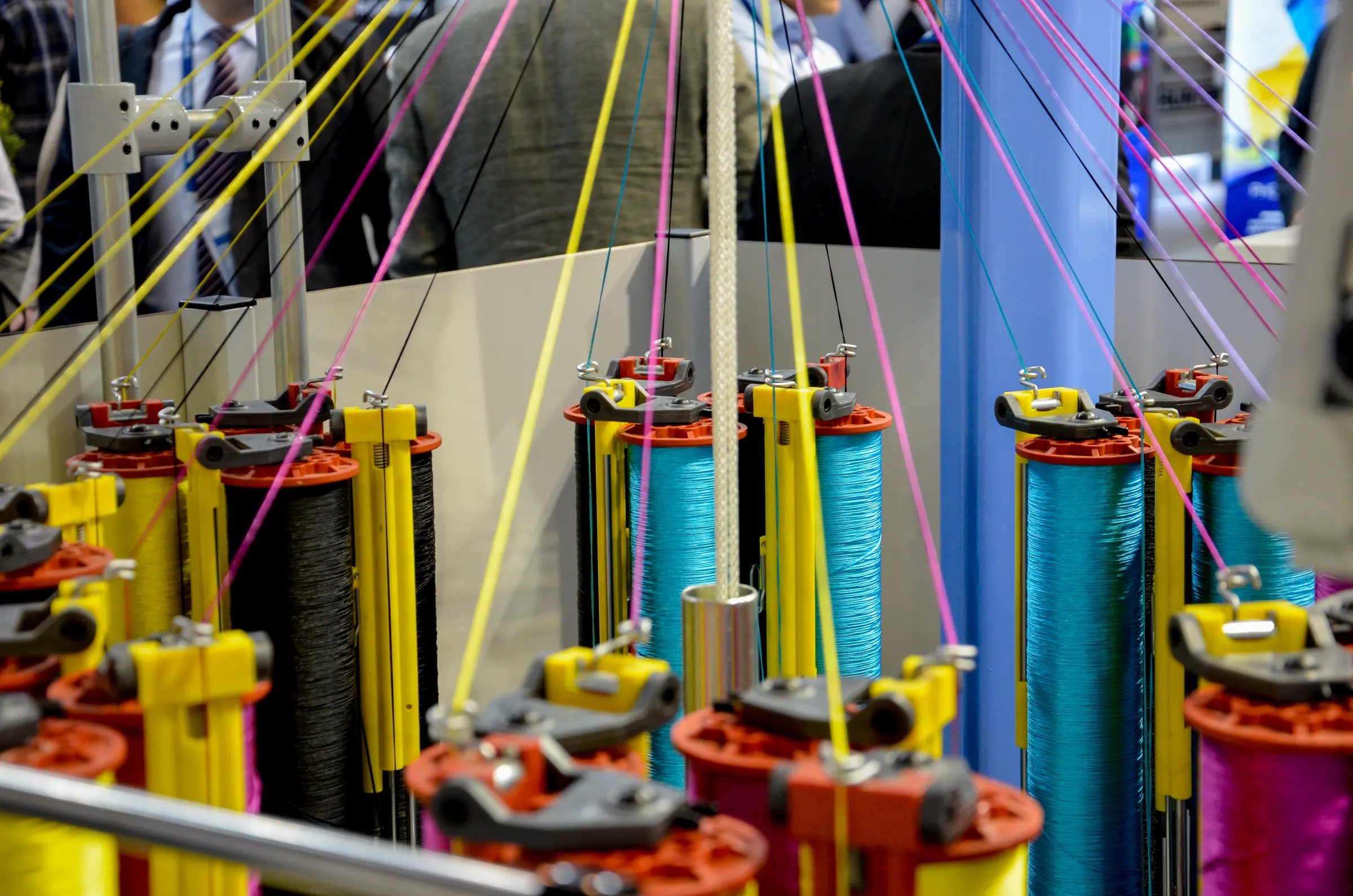
Techtextil 2019 — Frankfurt, May 14–17
Where Textiles Meet Technology
Technical progress has shaped the textile industry since the First Industrial Revolution. Techtextil in Frankfurt is the world's leading trade fair for technical textiles and nonwovens. The 2019 edition drew over 47,000 visitors from 116 countries and featured 1,818 exhibitors (source: Messe Frankfurt). It ran alongside Texprocess, the leading fair for textile processing technology.
We visited Techtextil 2019 to see how Industry 4.0 is changing the textile sector. The findings go far beyond fashion. Technical textiles are used in cars, aircraft, buildings, medical devices and sportswear. At Entwurfreich, we track these trends across industries — from ISH in Frankfurt to Salone del Mobile in Milan. We use them to shape our industrial design work. This ZOOM-IN Trendreport captures the key findings.
Five Key Trends at Techtextil 2019
1. What Can Smart Textiles Do Today?
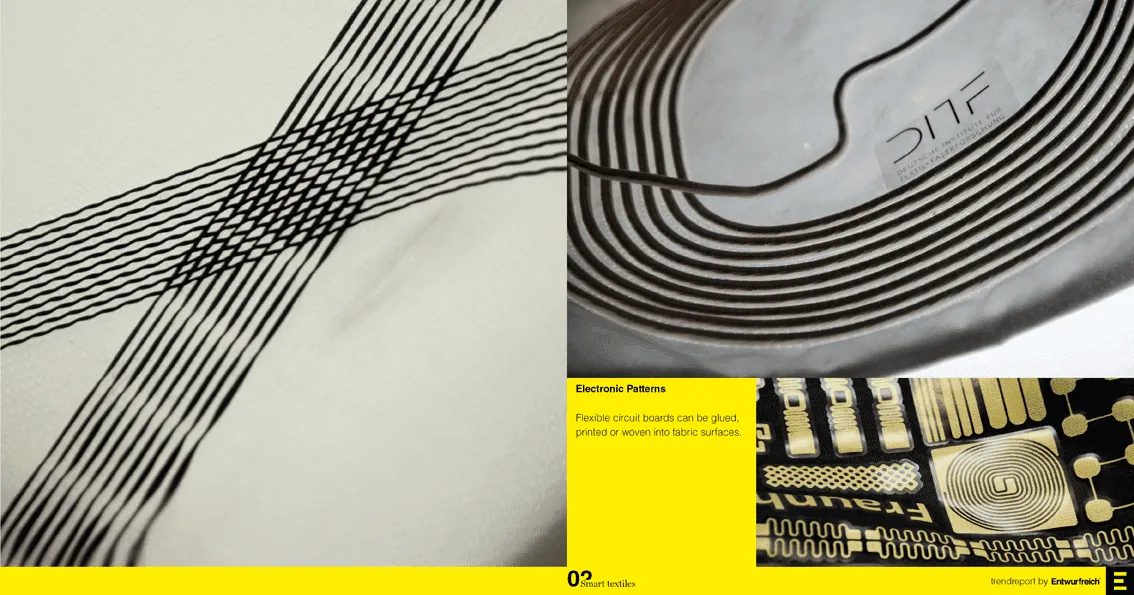
Smart textiles were the star of Techtextil 2019. These fabrics go beyond their traditional role. They sense touch, measure temperature, emit light, conduct signals or harvest energy. The global smart textiles market was valued at roughly $1.4 billion in 2019. It is projected to reach $5.5 billion by 2025 (source: MarketsandMarkets).
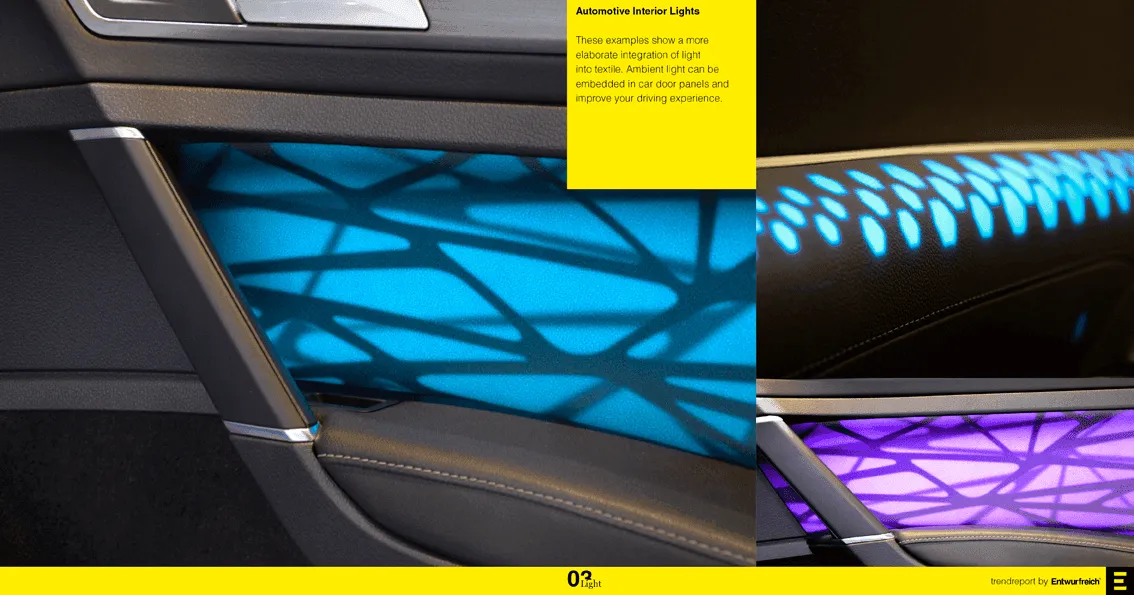
Examples on the fair ranged from heated car seats with carbon fibre elements to LED-embedded fabrics for architectural lighting. Sensors woven into yarns can track body movement or vital signs. No extra hardware needed.
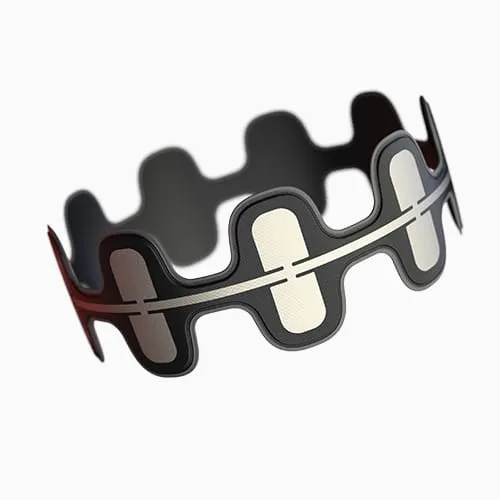
For product designers, this opens new ground. A garment becomes a sensor. A car seat becomes a health monitor. A facade becomes a display. We explore this crossover in our smart textile antenna project with ITA/RWTH Aachen — one of our interview partners in this report.
2. How Are Sustainable Fibres Changing the Industry?
Sustainability was a major theme. The textile industry is one of the world's biggest polluters. It accounts for roughly 10% of global carbon emissions and 20% of industrial water pollution (source: UN Environment Programme). Techtextil 2019 showed that change is underway.
BASF — one of our interview partners — presented bio-based polyamides and recycled polyester yarns. Lenzing showcased Tencel fibres made from sustainably managed wood sources. Several exhibitors demonstrated closed-loop production systems that recover and reuse solvents, dyes and water.
The shift is clear. Brands and regulators demand traceable, low-impact materials. For designers working on textile-based products, material selection now starts with the supply chain, not the swatch book. We covered this broader topic in our article on sustainable design principles.
3. How Is Industry 4.0 Transforming Textile Production?
Digital tools are changing how textiles are made. At Techtextil 2019, exhibitors showed automated weaving systems that adjust patterns in real time. Digital twins simulate fabric behaviour before a single thread is spun. AI-based quality control spots defects faster than human inspectors — reducing waste by up to 30% in some pilot deployments (source: McKinsey, 2019).
Karl Mayer presented fully networked knitting machines. They share performance data across factories in real time. Stäubli showed jacquard looms controlled by tablet. The goal: smaller batches, less waste, faster turnaround.
For industrial designers, this matters. Digital production makes custom textiles viable at small scale. A medical device can have a bespoke textile part. A car interior can be personalised per order. The old trade-off between customisation and cost is dissolving.
4. Why Are Medical Textiles a Growth Market?
Medical textiles were one of the fastest-growing segments at Techtextil 2019. The global market for medical textiles was valued at $18.2 billion in 2019, with projections reaching $25.4 billion by 2027 (source: Allied Market Research).
Exhibitors showed implantable mesh fabrics for hernia repair, antimicrobial wound dressings and textile-based biosensors that monitor patient vitals. Wearable health tech is driving demand. Fabrics that measure heart rate, skin temperature or muscle activity are moving from lab to product.
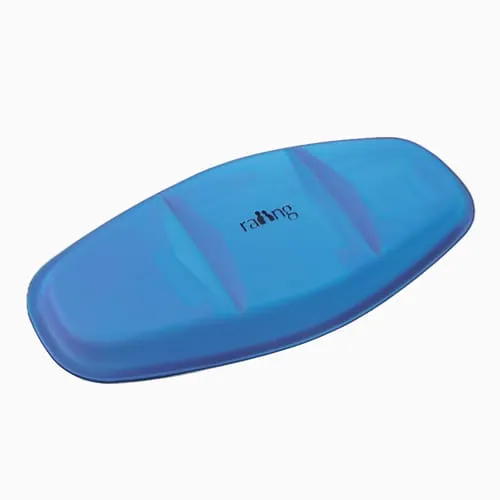
At Entwurfreich, we work in this space. Our Temp+ health care wearable for Raiing Medical uses body-worn sensors for continuous temperature monitoring. Projects like these show how textile innovation and product design meet at the skin.
5. How Are Lightweight Composites Replacing Metal?
Fibre-reinforced composites continue to gain ground in automotive, aerospace and construction. At Techtextil 2019, carbon fibre and glass fibre composites were everywhere. They are lighter than steel, stronger than aluminium and can be moulded into complex shapes.
SGL Carbon showed pre-formed carbon fibre components for electric vehicle battery housings. Toray demonstrated thermoplastic composites that can be recycled — a key step toward circular production. The weight savings are significant. Replacing steel with carbon fibre can cut component weight by up to 70% (source: European Composites Industry Association).
For product designers, composites open up new form factors. Thinner walls, larger spans, integrated structures. The challenge: designing for composite manufacturing requires different thinking than designing for injection moulding or sheet metal.
Interviews: Insights from Industry Leaders
Dr.-Ing. Richard Müller — ETTLIN
ETTLIN is a German textile manufacturer specialising in technical fabrics for architecture, lighting and interior design. Dr. Müller discussed how traditional weaving expertise meets new applications. ETTLIN's fabrics create optical effects through precisely arranged yarn structures. No LEDs, no electronics — pure textile engineering. His view: the future of smart surfaces may not need electricity at all.
Vitaliy Vilinchuk — BASF
BASF is the world's largest chemical company. Vilinchuk presented their textile fibres division and the push toward bio-based and recycled raw materials. His key point: the chemistry behind fibres is changing faster than the industry realises. Bio-based polyamides now match the performance of petroleum-based ones. The bottleneck is no longer technology. It is scaling production.
Jan Jordan — ITA/RWTH Aachen
The Institut für Textiltechnik (ITA) at RWTH Aachen is one of Europe's leading textile research centres. Jan Jordan spoke about the intersection of smart textiles and product design. His team develops textile antennas, sensor yarns and conductive fabrics for industrial and medical use.
Entwurfreich collaborates directly with ITA on our SurfTex smart textile antenna project. Jordan's perspective: the gap between textile research and market-ready products is closing fast. What was a lab curiosity five years ago is now entering serial production.
Report Preview
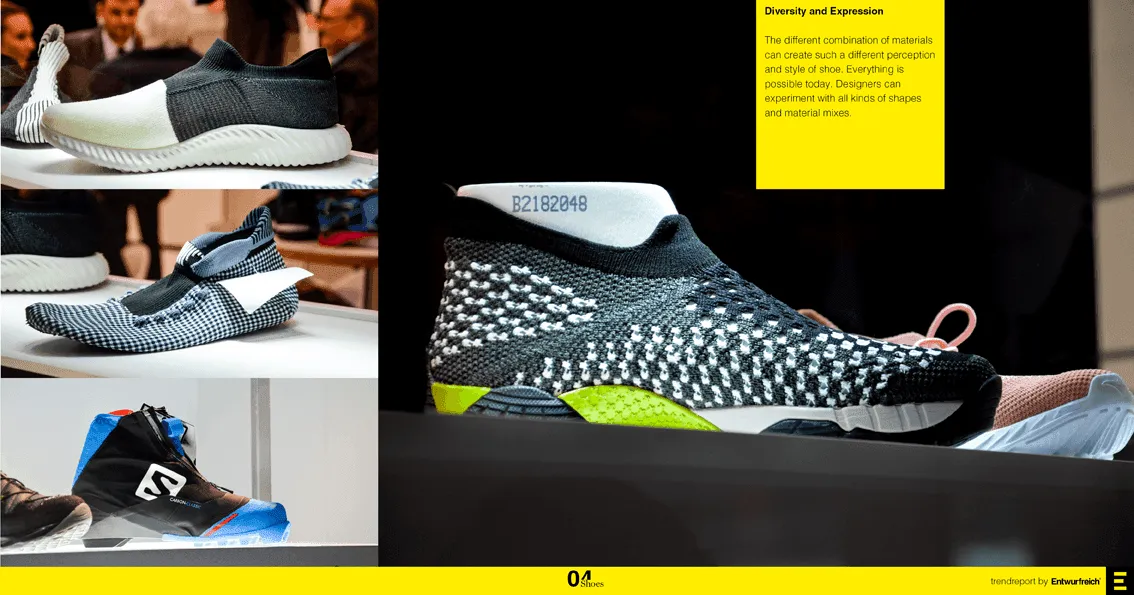
Our ZOOM-IN Trendreport captures the visual essence of Techtextil 2019. It covers the main fair halls at Messe Frankfurt and the co-located Texprocess. The full report includes trend analyses with over 60 original photos, product highlights from more than 20 exhibitors, and complete interviews with ETTLIN, BASF and ITA/RWTH Aachen.
Why It Matters for Product Design
The trends from Techtextil 2019 reach into every product category. Smart textiles turn passive surfaces into active interfaces. Sustainable fibres reshape material choices across industries. Lightweight composites enable new form factors in transport, sport and medical devices. At Entwurfreich, we see textiles as a design material, not just a manufacturing input. Understanding where textile technology is heading helps us build better products.
Our ZOOM-IN Trendreports turn these observations into clear insights for designers, product managers and decision-makers. Each report combines on-site photos, expert interviews and trend analysis in a compact format. Whether you are developing a wearable device, a vehicle interior or a building component, the macro trends in technical textiles can give you a real edge.
How These Trends Have Evolved Since 2019
Editor's note (2026): The five trends from Techtextil 2019 have matured at different speeds.
Smart textiles: Now mainstream in sportswear and automotive. Heated jackets, sensor-equipped work gloves and gesture-sensing car seats are in serial production.
Sustainable fibres: EU textile regulations (due 2025-2027) are forcing the industry to adopt recycled and bio-based materials at scale. What was optional in 2019 is now mandatory.
Industry 4.0: Digital twins and automated quality control are standard in large-scale production. Small and mid-size manufacturers are catching up.
Medical textiles: The pandemic accelerated demand for antimicrobial fabrics and wearable health monitors. The market has grown significantly beyond 2019 projections.
Lightweight composites: Electric vehicles have driven massive growth in carbon fibre demand. Recycling remains the key challenge.
Entwurfreich tracks these shifts through our ZOOM-IN reports and through project work in areas like smart textiles, medical devices and consumer products.

Frequently Asked Questions
What is Techtextil?
Techtextil is the world's leading trade fair for technical textiles and nonwovens. It is held every two years in Frankfurt am Main, Germany by Messe Frankfurt. The fair covers smart fabrics, medical textiles, composites, protective clothing and geotextiles. In 2019, it drew over 47,000 visitors from 116 countries. 1,818 companies exhibited (source: Messe Frankfurt). It runs alongside Texprocess, the leading fair for textile processing.
What were the main trends at Techtextil 2019?
Five trends stood out. (1) Smart textiles that sense, heat, light up and conduct signals — no extra hardware needed. (2) Sustainable fibres like bio-based polyamides and recycled polyester, pushed by green regulation and brand demand. (3) Industry 4.0 in production: digital twins, networked looms and AI quality control. (4) Medical textiles as a fast-growing market worth $18.2 billion in 2019 — including implants, antimicrobial dressings and wearable biosensors. (5) Lightweight composites replacing metal in cars and aircraft, cutting component weight by up to 70%.
Who is Entwurfreich?
Entwurfreich is an industrial design agency in Düsseldorf, Germany. Founded in 2012, the team has done over 350 projects for 125+ clients. These include ABB, Vodafone, Henkel, Coca-Cola, Fujifilm and Covestro. The work spans product design, UX/UI, CMF design and design strategy — from consumer tech to medical devices. The ZOOM-IN Trendreports cover trends from fairs like Techtextil, ISH, BAU, MWC and Salone del Mobile. Recent awards: iF Design Award Gold 2024, Red Dot Best of the Best 2024, German Design Award Gold 2026. Learn more about our design process.
Written by Matthias Menzel · June 25, 2019