
Dutch Design Week 2019 — Eindhoven, October 19–27
If Not Now, When?
Dutch Design Week in Eindhoven is Europe's largest design event. It is not a trade fair in the traditional sense. It is a nine-day festival of exhibitions, talks, workshops and studios spread across the city. The 2019 edition drew over 355,000 visitors and featured 2,600 designers at 110 locations (source: DDW). The motto was clear: If not now, when?
DDW stands apart from other fairs we attend. Where Salone del Mobile shows what is ready for market, DDW shows what could exist. Where IFA shows polished products, DDW shows raw ideas. At Entwurfreich, this kind of input is essential for our industrial design work. It keeps us ahead of the curve. This ZOOM-IN Trendreport captures the most compelling exhibits from DDW 2019.
Five Key Trends at Dutch Design Week 2019
1. How Is Circular Design Becoming Reality?
Circularity was the dominant theme at DDW 2019. Not as a concept — as material reality. Designers showed furniture made from demolition waste, textiles woven from food industry by-products and packaging grown from mycelium.
The global circular economy was valued at $339 billion in 2019, projected to exceed $712 billion by 2026 (source: Allied Market Research). At DDW, this translated into hands-on work. Studio Drift showed installations from recycled industrial materials. The What If Lab explored how waste streams can become design inputs.
For product designers, circularity changes every decision. Material selection starts with end-of-life. Joints must allow disassembly. Finishes must be mono-material. We explored this shift in our article on sustainable design principles.
2. How Are Designers Tackling Social Challenges?
DDW 2019 showed design as a tool for social change. Exhibits addressed affordable housing, food waste, loneliness in ageing populations and mental health. The Design Academy Eindhoven graduation show — always a DDW highlight — featured projects on refugee integration, urban farming and inclusive play.
This is not charity work. It is a growing market. The global social enterprise sector was valued at over $2 trillion in 2019 (source: British Council). Designers who understand social systems can create products and services that scale.
For industrial designers, social impact means new briefs. How do you design a product for a user who cannot afford it? How do you make a medical device for a clinic with no electricity? These constraints drive some of the most creative work.
3. What Is Bio-Fabrication and Why Does It Matter?
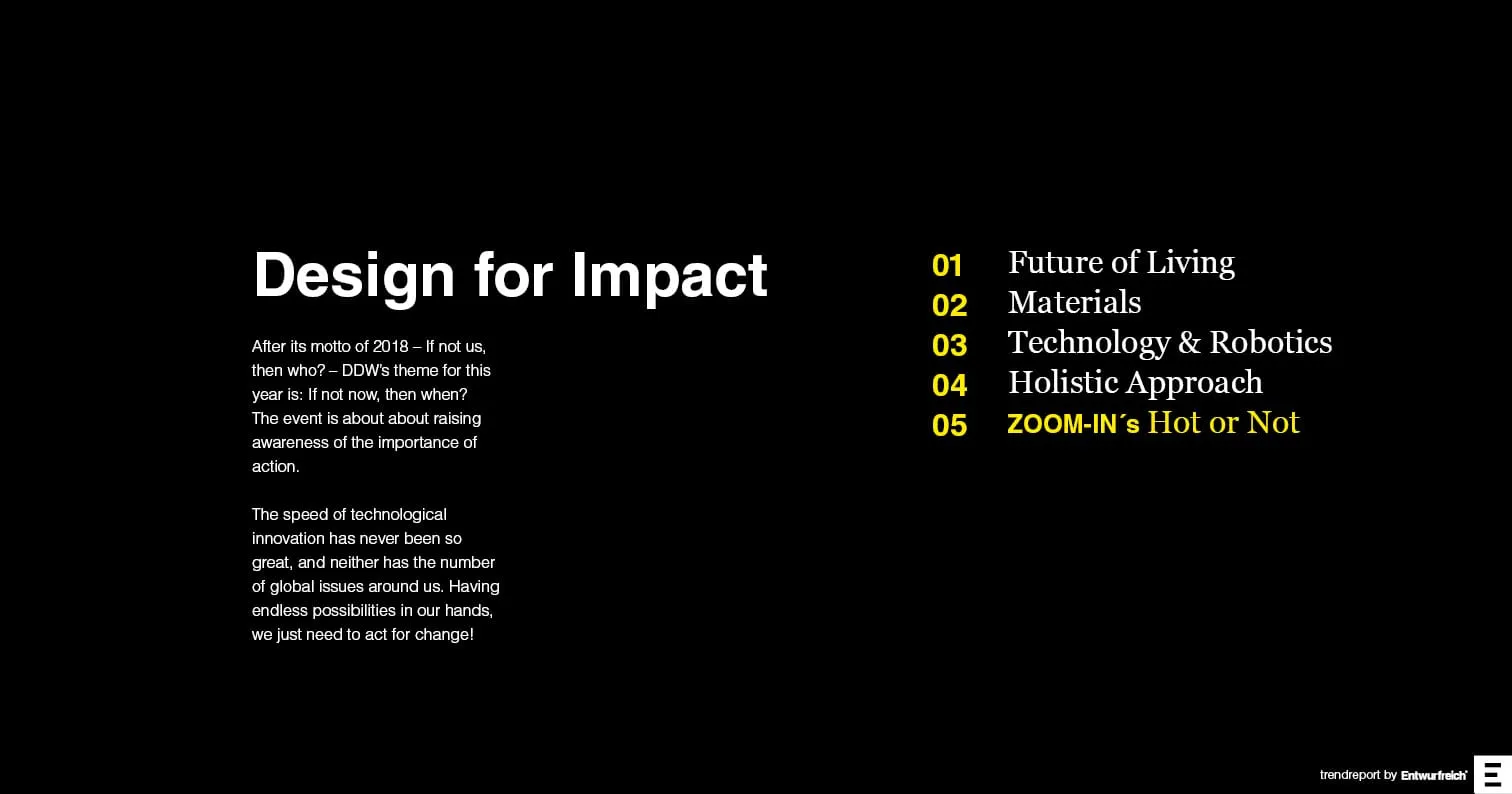
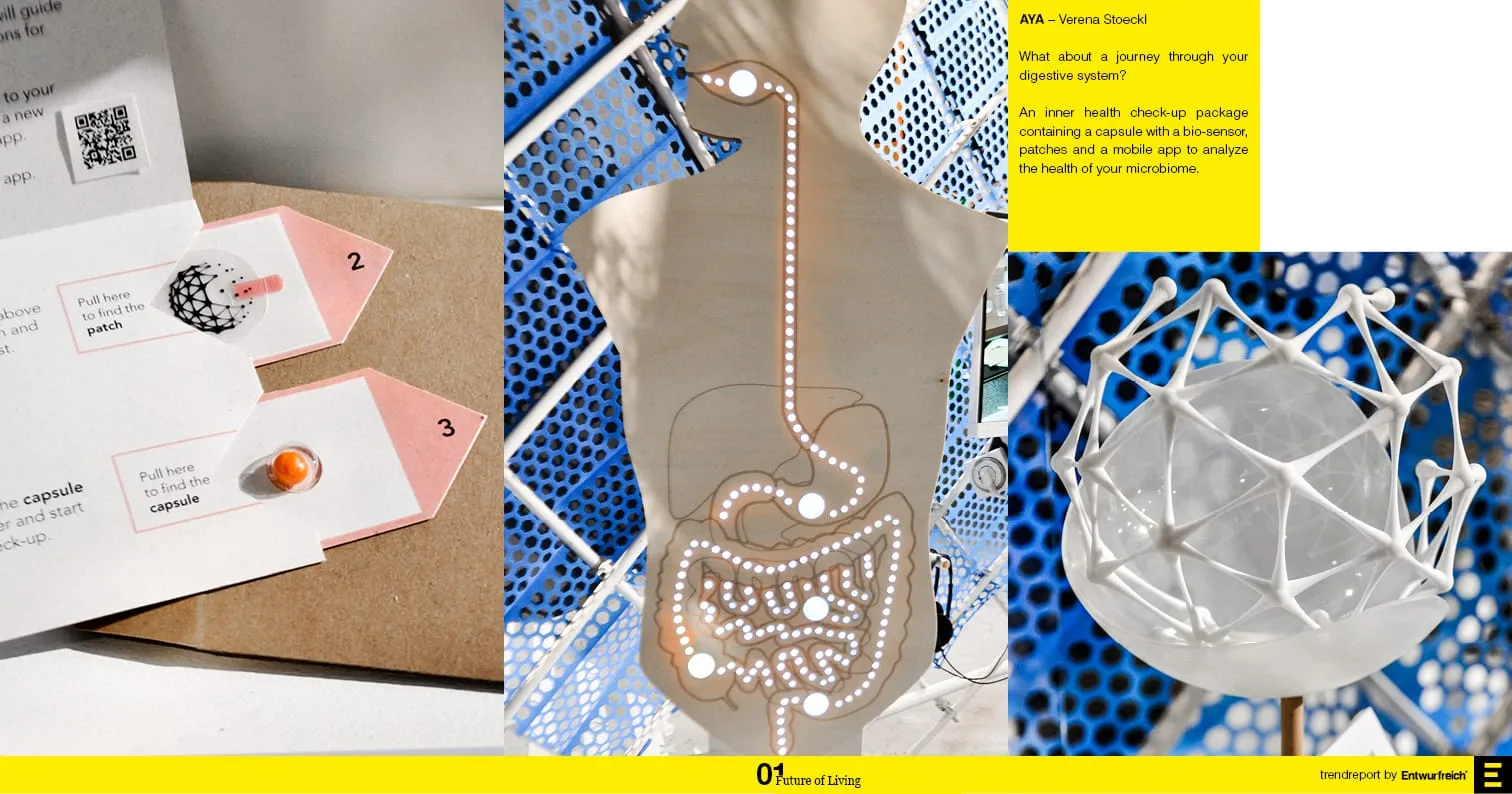
Bio-fabrication was everywhere at DDW 2019. Designers grew materials from bacteria, algae, fungi and plant roots. These are not lab curiosities. They are functional prototypes.
Natsai Audrey Chieza of Faber Futures showed textiles dyed by bacteria — no water, no toxic chemicals. Eric Klarenbeek presented 3D-printed objects from algae biomass. The Dutch company Ecovative demonstrated packaging grown from mycelium that decomposes in 30 days.
The global bio-based materials market was valued at $84 billion in 2019 (source: European Commission). For product designers, bio-fabrication offers a radical alternative. Instead of extracting and processing, you grow. The material is the process.
4. How Does Speculative Design Shape the Future?
DDW is known for speculative design — projects that imagine possible futures rather than solve immediate problems. In 2019, exhibits explored what life looks like after climate collapse, how AI changes human relationships and what cities look like without cars.
This is not fantasy. It is a design method. The global design thinking market was valued at $6.1 billion in 2019, projected to reach $15.6 billion by 2028 (source: Grand View Research). By building tangible prototypes of future scenarios, designers help organisations think ahead. Companies like IKEA, Philips and the Dutch government use speculative design workshops to stress-test strategies.
For industrial designers, speculative work sharpens the brief. It asks: what should we build? Not just: how do we build it? At Entwurfreich, we value this kind of thinking. It informs our approach to empathetic product design and long-term innovation.
5. How Is Open-Source Making Changing Production?
Open-source tools and shared knowledge were a strong theme at DDW 2019. Fab labs, maker spaces and open-hardware projects showed that production no longer requires a factory. A designer with a 3D printer, a laser cutter and an internet connection can build almost anything.
The Precious Plastic project — founded in Eindhoven — demonstrated open-source machines that turn waste plastic into new products. Anyone can download the plans and build them. Opendesk showed furniture designed for local CNC production — no shipping, no warehouse.
For product designers, open-source shifts the role. You are no longer just designing a product. You are designing a system: files, instructions, materials lists. The design becomes a recipe that anyone can follow. This connects directly to how we think about smart textile prototyping and distributed manufacturing.
Report Preview
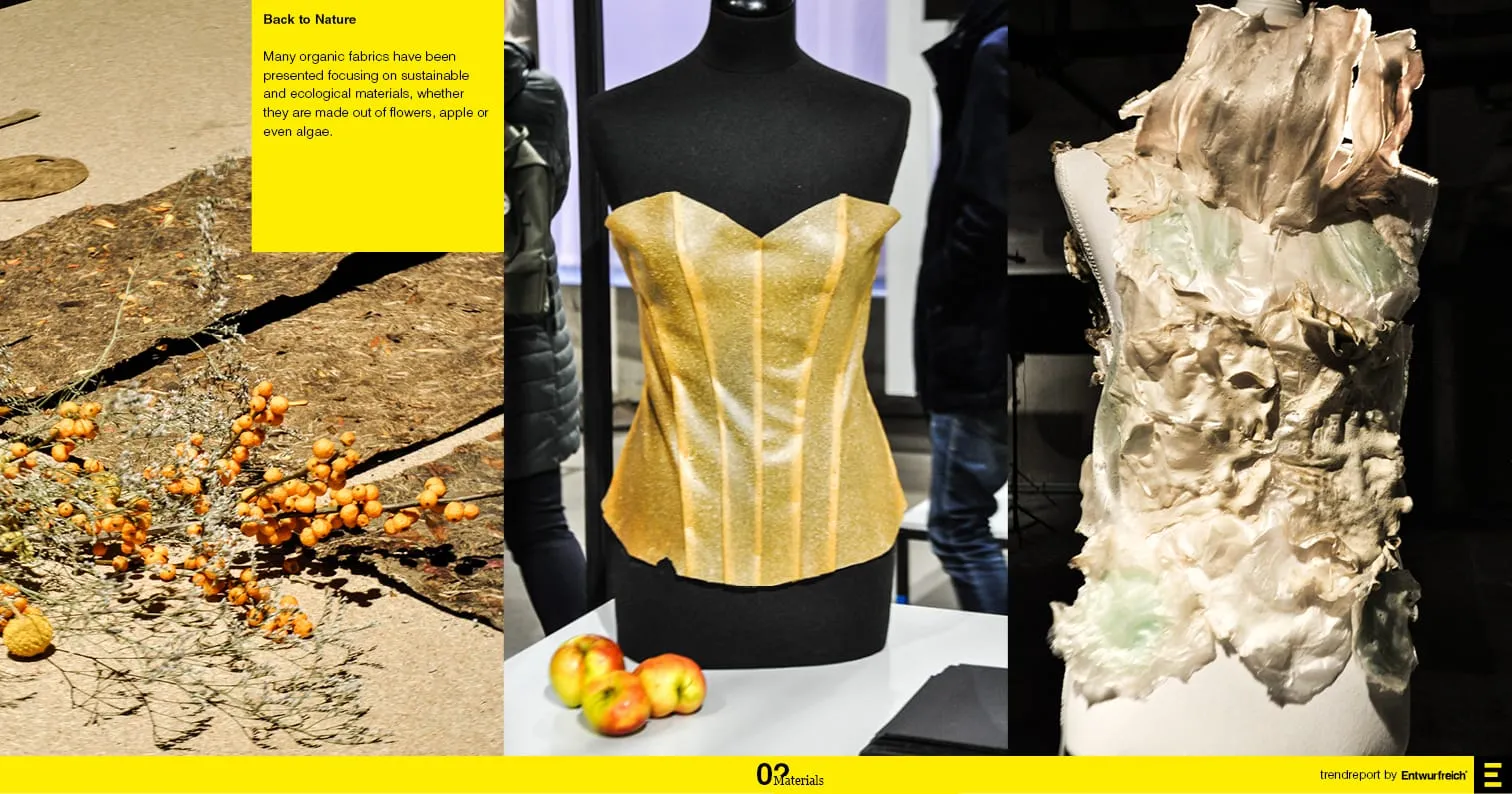
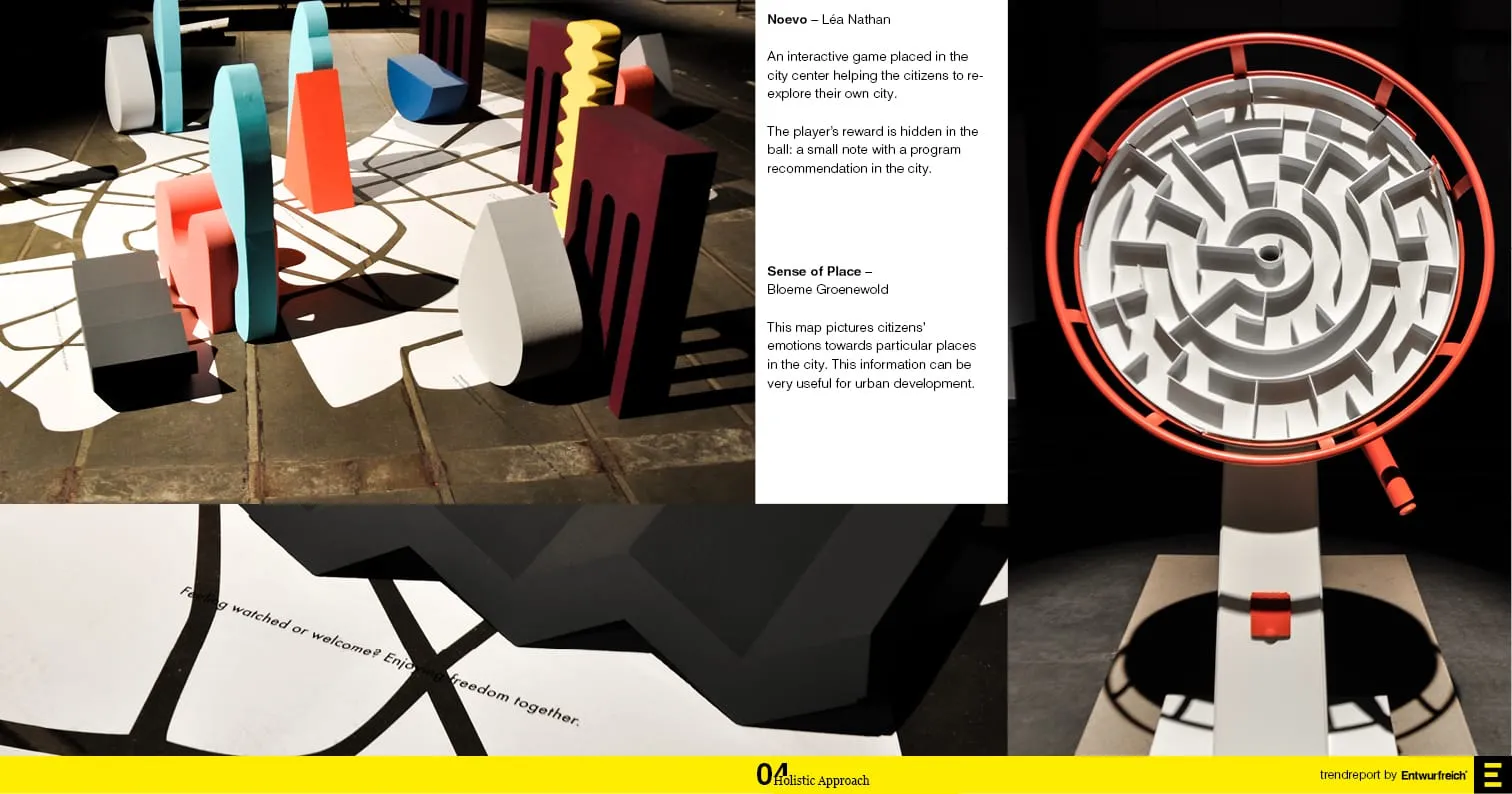
Our ZOOM-IN Trendreport captures the visual essence of Dutch Design Week 2019. It covers exhibitions across Eindhoven — from Strijp-S and the Klokgebouw to the Design Academy and dozens of pop-up studios. The full report features over 80 original photos and our curated selection of the most compelling exhibits.
Why It Matters for Product Design
DDW is different from other fairs. It does not show finished products. It shows where design is heading. Circular thinking, bio-materials, social impact and open production are not fringe topics. They are the forces reshaping every industry. At Entwurfreich, DDW is essential input for our long-term thinking.
Our ZOOM-IN Trendreports turn these observations into clear insights for designers, product managers and decision-makers. Each report combines on-site photos and trend analysis in a compact format. Whether you are planning a product strategy or exploring new materials, the ideas from DDW can spark real change.
How These Trends Have Evolved Since 2019
Editor's note (2026): The five trends from DDW 2019 have moved from the margins to the mainstream.
Circular design: EU regulations now require digital product passports and design-for-disassembly. What was experimental in 2019 is now law.
Social impact: Design for underserved communities is a growing field. Impact-driven design studios have doubled in number since 2019.
Bio-fabrication: Mycelium packaging is commercially available. Bacterial dyeing has entered pilot production. The materials are scaling.
Speculative design: Now a standard tool in corporate innovation. Companies from automotive to healthcare use design fiction workshops.
Open-source making: Precious Plastic has expanded to 40,000+ members in 100+ countries. Distributed manufacturing is real.
Entwurfreich tracks these shifts through our ZOOM-IN reports and through project work in areas like smart textiles, 3D-printed wearables and sustainable design.
Selected Projects
Frequently Asked Questions
What is Dutch Design Week?
Dutch Design Week (DDW) is Europe's largest design event. It takes place annually in Eindhoven, the Netherlands, over nine days in October. The 2019 edition drew over 355,000 visitors and featured 2,600 designers at 110 locations across the city (source: DDW). Unlike traditional trade fairs, DDW focuses on experimental and conceptual design — from graduation shows and research labs to installations and maker workshops. It covers product design, social design, food design, digital design and architecture.
What were the main trends at DDW 2019?
Five trends stood out. (1) Circular design as material reality — waste streams becoming design inputs, products designed for disassembly. The circular economy was valued at $339 billion in 2019. (2) Design for social impact — projects addressing housing, food systems, mental health and refugee integration. (3) Bio-fabrication — growing materials from bacteria, algae and mycelium as alternatives to petroleum-based production. (4) Speculative design — prototypes that explore possible futures rather than solve immediate problems. (5) Open-source making — shared tools and plans that democratise production, led by projects like Precious Plastic.
Who is Entwurfreich?
Entwurfreich is an industrial design agency in Düsseldorf, Germany. Founded in 2012, the team has done over 350 projects for 125+ clients including ABB, Vodafone, Henkel, Coca-Cola, Fujifilm and Covestro. The work spans product design, UX/UI, CMF design and strategy — from consumer tech to medical devices. The ZOOM-IN Trendreports cover trends from events like DDW, Salone del Mobile, IFA, Eurobike, ISH, Techtextil and MWC. Recent awards: iF Design Award Gold 2024, Red Dot Best of the Best 2024, German Design Award Gold 2026. Learn more about our design process.
Written by Matthias Menzel · December 20, 2019