
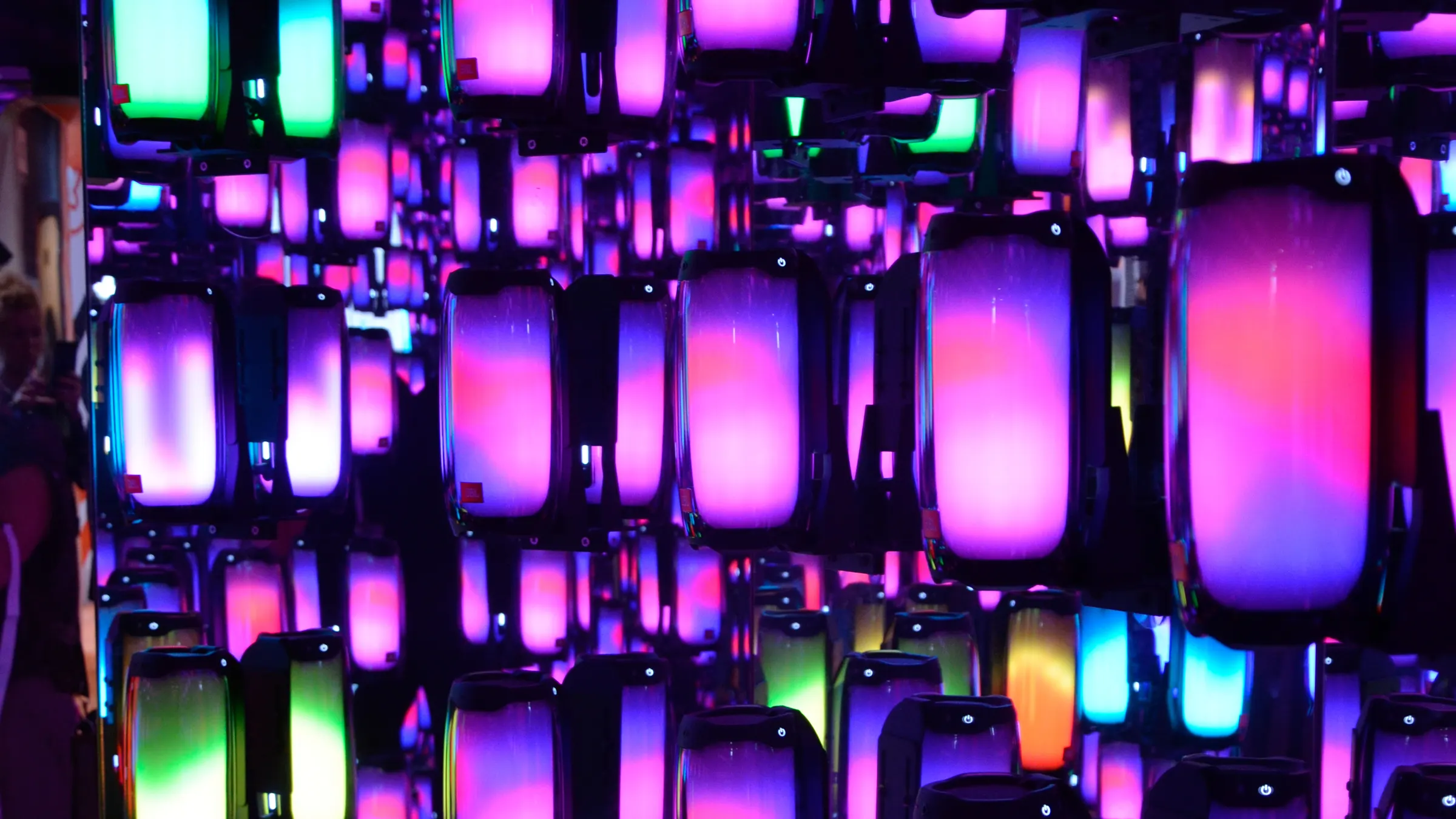
IFA 2019 — Berlin, September 6–11
Consumer Electronics Unlimited
Under the motto "Consumer Electronics Unlimited", IFA Berlin 2019 lived up to its claim. The fair drew 245,000 visitors from 150 countries and featured 1,939 exhibitors (source: Messe Berlin). It was clear that the smart device market had grown fast. Intelligent technology had moved into more areas of daily life than ever before.
IFA was not just about big TVs and audio. It showed the key trends reshaping how we live: smart kitchens, health wearables, AI-driven home systems. At Entwurfreich, we attend fairs across industries — from Eurobike to MWC in Barcelona. We track the design trends that shape our industrial design work. This ZOOM-IN Trendreport captures the key findings from IFA 2019.
Five Key Trends at IFA 2019
1. How Are Smart Home Ecosystems Maturing?
Smart home devices were everywhere at IFA 2019. But the real shift was not more gadgets. It was better integration. Samsung, LG and Bosch all showed platforms that connect lights, locks, cameras, appliances and heating into one system.
Samsung's SmartThings linked over 5,000 third-party devices. Bosch presented their Home Connect platform across washing machines, ovens and robot vacuums. The global smart home market was valued at $80.2 billion in 2019. It is projected to reach $135.3 billion by 2025 (source: Statista).
For product designers, the challenge shifts from designing standalone products to designing within ecosystems. How does your device talk to others? What happens when it fails? These are system design questions, not just product design questions.
2. Why Are AI Assistants Becoming the Default Interface?
Voice control was the dominant interface trend at IFA 2019. Amazon Alexa, Google Assistant and Samsung Bixby were built into TVs, speakers, fridges, ovens and even shower heads. The number of Alexa-compatible devices exceeded 85,000 by September 2019 (source: Amazon).
The shift is fundamental. Users no longer need screens or buttons to control their home. They speak. For industrial designers, this changes the brief. A speaker becomes an interface. A kitchen appliance becomes a voice-first device. The physical form must support a primarily invisible interaction — a topic we also explored at the ISH trade fair in the context of smart bathrooms.
3. What Does 8K and Micro-LED Mean for Display Design?
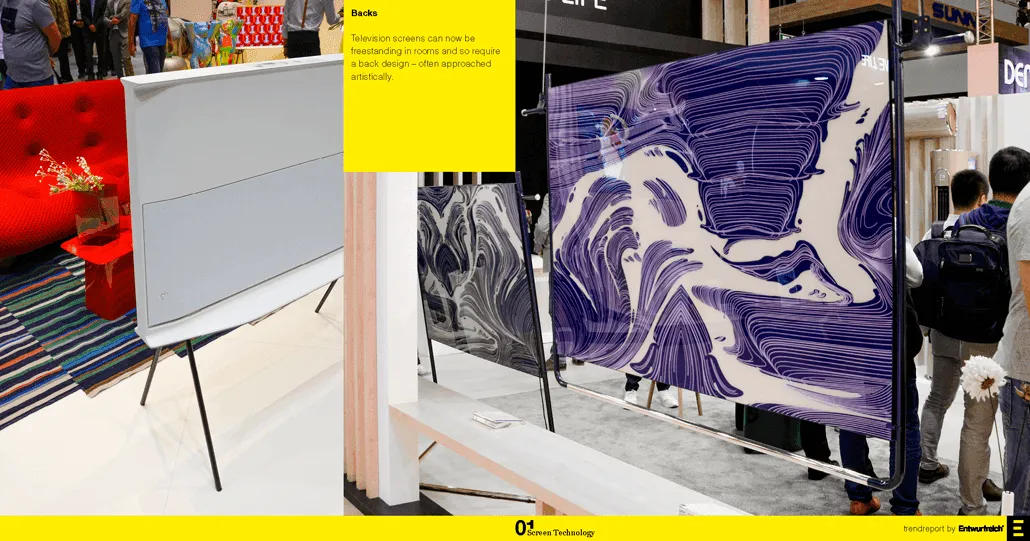
The display halls at IFA 2019 were dominated by two technologies: 8K resolution and micro-LED. Samsung, LG and Sony all showed 8K TVs. The panels deliver four times the pixels of 4K — 33 million per screen. Content is still catching up, but the hardware is ready. The global 8K display market was valued at $2.5 billion in 2019, projected to reach $20.2 billion by 2027 (source: Allied Market Research).
Micro-LED was the bigger story. Samsung's The Wall measured 292 inches. It uses modular micro-LED tiles that can be assembled into any size or aspect ratio. No backlight, no burn-in, perfect blacks. For product designers, modular displays open new possibilities. Screens no longer need fixed dimensions. They can adapt to the space.
4. Why Is Smart Cooking the Fastest-Growing Category?
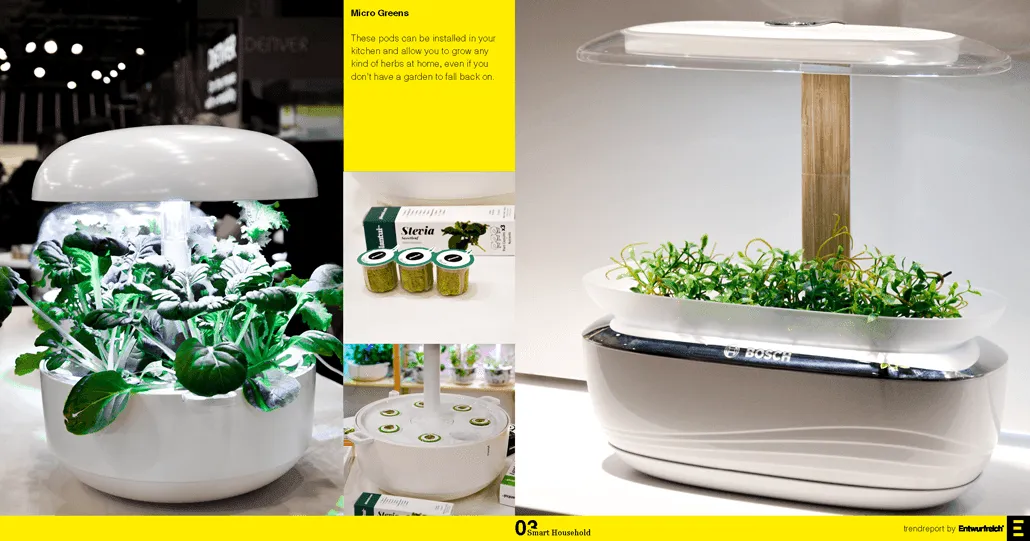
Connected kitchen appliances were the surprise growth story at IFA 2019. Smart ovens with built-in cameras, app-controlled coffee machines and guided cooking systems drew large crowds. Bosch — one of our interview partners — showed ovens that recognise food and suggest cooking settings. Thermomix presented their TM6 with Wi-Fi, a touchscreen and access to over 40,000 guided recipes.
The smart kitchen appliance market was valued at $12.3 billion in 2019 (source: Grand View Research). The appeal is clear: cooking is a daily task where technology can save time and reduce waste. For designers, it means rethinking interfaces. A 200°C oven needs controls that work with wet hands, at arm's length, while distracted.
5. How Are Wearables Moving from Fitness to Health?
Smartwatches and fitness trackers were a major presence at IFA 2019. But the narrative shifted. It was no longer about counting steps. It was about health monitoring. Samsung showed the Galaxy Watch Active2 with an ECG sensor. Withings presented a watch that detects atrial fibrillation.
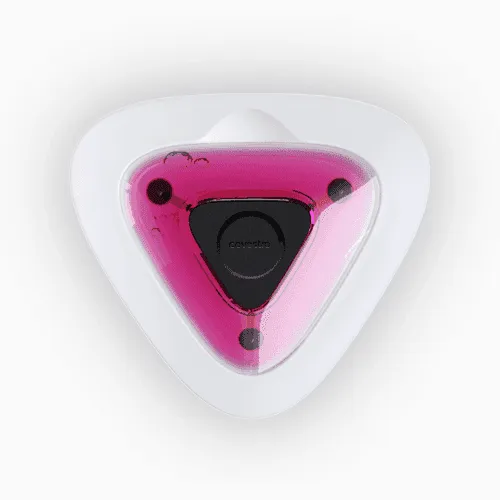
The global wearable device market reached $32.6 billion in 2019 (source: IDC). Medical-grade features are the next frontier. Heart rate variability, blood oxygen levels, sleep quality scoring — these features are moving from clinical devices to consumer wrists. At Entwurfreich, we work at this intersection. Our Temp+ health care wearable and 3D-printed wearables for Covestro show how medical sensing and product design converge.
Interviews: Insights from Industry Leaders
Michael Knappe & Andy Tsui — Harman
Harman (a Samsung subsidiary) owns brands like JBL, Harman Kardon and AKG. Knappe and Tsui discussed how audio products are evolving beyond sound. Smart speakers are now home hubs. Headphones are personal AI interfaces. Their view: the future of audio is ambient computing.
Dr. Martin Strümpler — Bosch
Bosch is one of the world's largest home appliance manufacturers. Dr. Strümpler spoke about the Home Connect platform and how connected appliances change the user relationship. His point: a washing machine that learns your habits is no longer just an appliance. It is a service.
Christian Schlünder & Damian Mackiewicz — Huemen
Huemen designs smart lighting systems that adapt to circadian rhythms. Schlünder and Mackiewicz discussed human-centric lighting — a concept that adjusts colour temperature through the day. Their take: light is the most underrated interface in the home.
Tolya Polyanker — Logitech
Logitech has expanded from PC peripherals into video collaboration and smart home. Polyanker shared how the workplace-from-home trend is driving demand for better webcams, microphones and lighting. His prediction from 2019: home office tech will become a major consumer category. He was right.
Report Preview
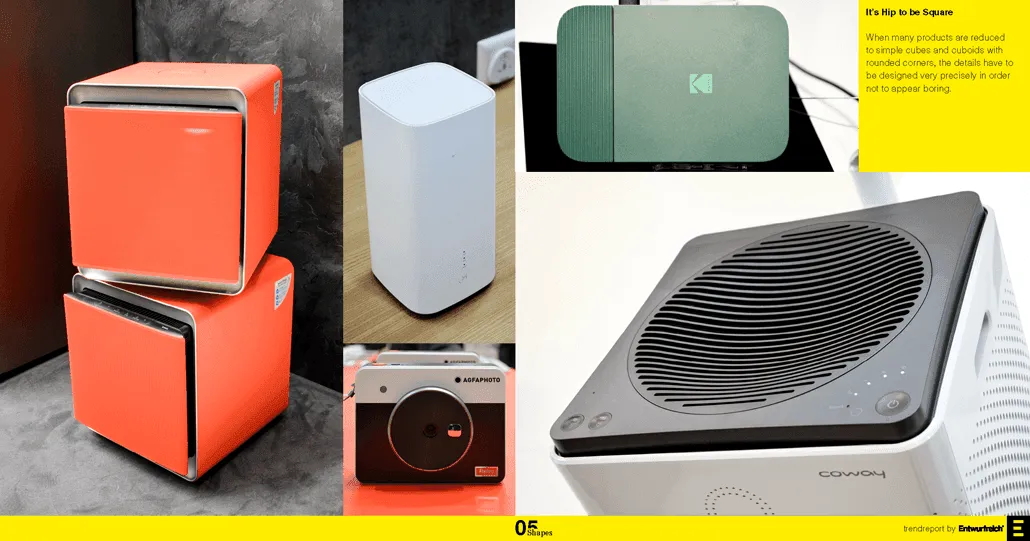
Our ZOOM-IN Trendreport captures the visual essence of IFA 2019. It covers all 26 exhibition halls at Messe Berlin and the IFA NEXT innovation area. The full report includes trend analyses with over 80 original photos, our Hot or Not feature, and complete interviews with Harman, Bosch, Huemen and Logitech.
Why It Matters for Product Design
The trends from IFA 2019 go beyond consumer electronics. Smart home ecosystems, voice interfaces and health wearables are reshaping how people interact with products in every room. These patterns apply to any device that sits in someone's daily life. At Entwurfreich, fairs like IFA are essential input for our design work across consumer and professional products.
Our ZOOM-IN Trendreports turn these findings into clear insights for designers, product managers and decision-makers. Each report combines on-site photos, expert interviews and trend analysis in a compact format. Whether you are designing a smart appliance, an audio device or a wearable, the macro trends from IFA can give you a real edge.
How These Trends Have Evolved Since 2019
Editor's note (2026): The five trends from IFA 2019 have reshaped daily life.
Smart home: Matter protocol (launched 2022) finally solved the interoperability problem. Devices from different brands now work together out of the box.
AI assistants: Voice control is standard. Generative AI is the next layer — assistants that not only execute commands but anticipate needs.
8K and micro-LED: 8K adoption remains slow due to content scarcity. Micro-LED is growing fast in commercial signage and luxury home cinema.
Smart cooking: The category exploded during the pandemic. Connected ovens and guided cooking apps are now mainstream.
Wearable health: Smartwatches with ECG, blood oxygen and temperature sensing are FDA-cleared. The line between consumer device and medical instrument is almost gone.
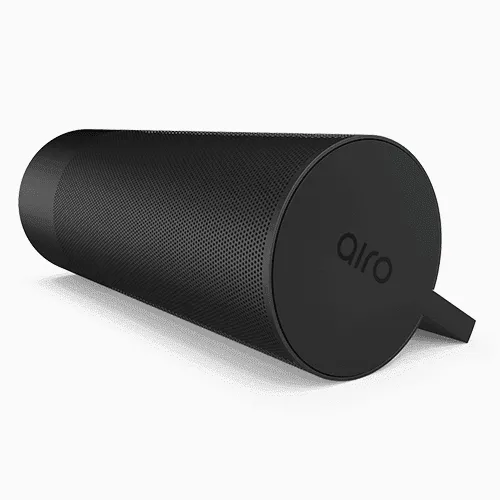
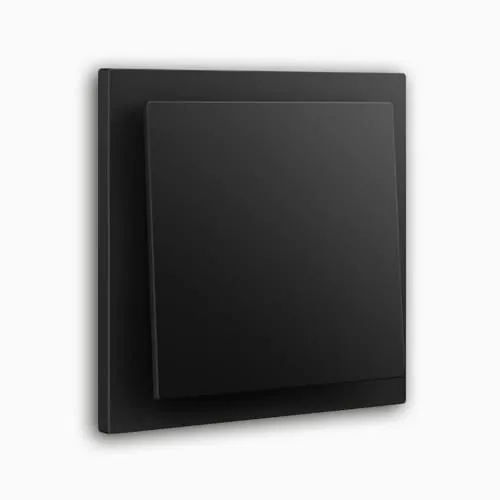
Entwurfreich tracks these shifts through our ZOOM-IN reports and through project work in areas like audio products, smart home switches and medical wearables.
Selected Projects
Frequently Asked Questions
What is IFA Berlin?
IFA (Internationale Funkausstellung) is one of the world's largest trade fairs for consumer electronics and home appliances. It takes place annually at Messe Berlin, Germany. The 2019 edition drew 245,000 visitors from 150 countries and featured 1,939 exhibitors across 26 halls (source: Messe Berlin). IFA covers everything from TVs, audio and smartphones to smart home systems, kitchen appliances and wearable technology. It is considered the European counterpart to CES in Las Vegas.
What were the main trends at IFA 2019?
Five trends stood out. (1) Smart home ecosystems maturing from gadgets to integrated platforms — Samsung SmartThings linked over 5,000 devices. (2) AI voice assistants becoming the default interface, with Alexa built into 85,000+ devices. (3) 8K displays and micro-LED technology, with Samsung's modular The Wall at 292 inches. (4) Smart cooking as the fastest-growing category, with connected ovens and guided recipe systems. (5) Wearable health tech shifting from fitness tracking to medical monitoring, with ECG sensors in consumer smartwatches.
Who is Entwurfreich?
Entwurfreich is an industrial design agency in Düsseldorf, Germany. Founded in 2012, the team has done over 350 projects for 125+ clients including ABB, Vodafone, Henkel, Coca-Cola, Fujifilm and Covestro. The work spans product design, UX/UI, CMF design and strategy — from consumer tech to medical devices. The ZOOM-IN Trendreports cover trends from fairs like IFA, Eurobike, ISH, Techtextil, MWC and Salone del Mobile. Recent awards: iF Design Award Gold 2024, Red Dot Best of the Best 2024, German Design Award Gold 2026. Learn more about our design process.
Written by Matthias Menzel · October 17, 2019