
Kind + Jugend 2019 — Cologne, September 19–22
Where Parenting Meets Premium Design
Few markets grow as fast as baby and toddler products. The global baby care market was valued at $67.3 billion in 2019, projected to reach $88.7 billion by 2026 (source: Allied Market Research). Kind + Jugend in Cologne is the world's leading trade fair for this sector. The 2019 edition drew over 23,000 trade visitors from 122 countries and 1,175 exhibitors (source: Koelnmesse).
At the fair, one thing was clear: strollers, car seats and nursery gear are no longer just functional items. They are lifestyle products that signal taste and status. At Entwurfreich, we attend fairs across industries — from IFA in Berlin to Eurobike. We track design trends that shape our industrial design work. This ZOOM-IN Trendreport captures the key findings.
Five Key Trends at Kind + Jugend 2019
1. How Is Fashion Reshaping Baby Product Design?
The fashion influence was impossible to miss. Strollers came in matte black, olive green and blush pink. Leather handles replaced rubber grips. Fabric choices included bouclé, merino wool and organic linen.
Cybex — one of our interview partners — led this shift. Their collaborations with fashion designers like Jeremy Scott and luxury houses like Karolina Kurkova turned the stroller into a runway object. Bugaboo showed customisable colour options with over 30 fabric and frame combinations.
The global premium stroller market was valued at roughly $3.2 billion in 2019 (source: Technavio). For product designers, this trend changes the brief. A stroller is no longer judged by wheel size alone. It must match the parent's wardrobe. Material, colour and finish matter as much as function.
2. How Is Smart Tech Making Nurseries Safer?
Connected devices entered the nursery at Kind + Jugend 2019. Smart baby monitors with breathing sensors, sleep tracking mats and temperature-alerting onesies were on show. The global baby monitor market alone was valued at $1.3 billion in 2019 (source: Grand View Research).
Owlet showed a sock-based pulse oximeter that tracks heart rate and oxygen levels. Motorola presented a connected nursery system that links camera, air quality sensor and night light into one app. Britax Römer — our second interview partner — discussed how sensor tech is entering car seats to detect when a child is left behind.
For designers, smart nursery products raise unique challenges. Parents want peace of mind, not more screens. The interface must be invisible. The alert must be calm, not alarming.

3. Why Are Sustainable Materials the New Baseline?
Parents care deeply about what touches their child's skin. At Kind + Jugend 2019, organic cotton, OEKO-TEX certified fabrics and recycled ocean plastics were everywhere. Brands highlighted non-toxic finishes, BPA-free plastics and supply chain transparency.
Nuna used recycled PET bottles for stroller fabrics. Stokke showed FSC-certified beech wood for highchairs. The sustainability push is not just ethical. It is commercial. Over 40% of parents say they would pay a premium for certified organic or recycled baby products (source: Euromonitor, 2019). Parents will pay more for products they trust to be safe.
This connects to a broader pattern we see across industries. We explored the topic in our article on sustainable design principles. For baby products, the stakes are personal. Safety is not a feature. It is the product.
4. How Are Modular Systems Extending Product Life?
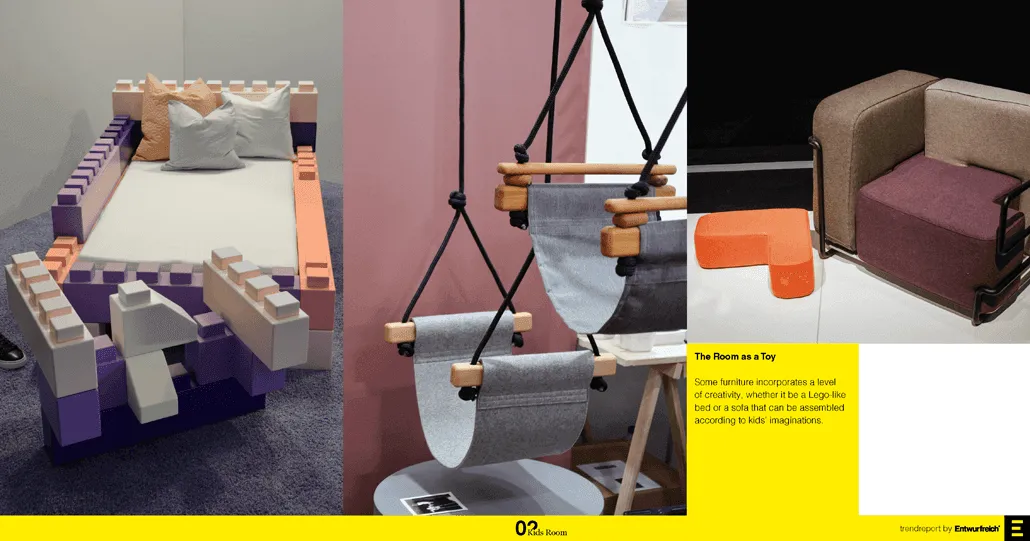
Modularity was a strong theme. One stroller frame that converts from newborn bassinet to toddler seat to buggy board. One car seat base that fits three age stages. The logic: buy once, adapt as the child grows.
Britax Römer showed a travel system that spans birth to four years with one base unit. Cybex presented modular accessories — cup holders, phone mounts, sun sails — that click into a universal rail. The approach reduces waste and builds brand loyalty.
For industrial designers, modular baby products are a complex brief. Every connection must be safe, intuitive and one-handed. Every configuration must pass crash tests. The design space is tightly constrained — which makes elegant solutions all the more valuable.
5. Why Does Premium Design Language Matter in Baby Products?
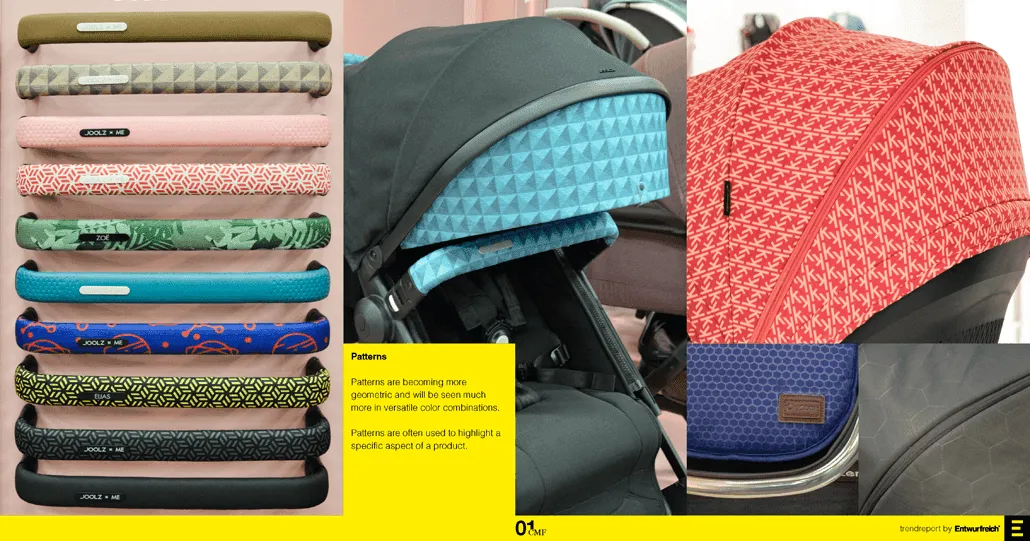
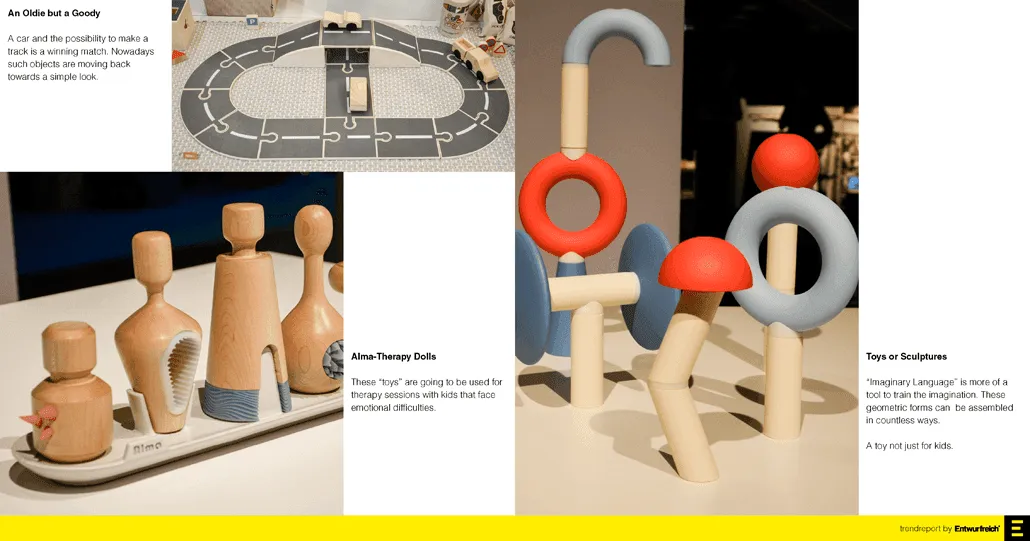
Cartoon prints and primary colours are fading. At Kind + Jugend 2019, the dominant aesthetic was clean, minimal and grown-up. Neutral tones, soft geometries and furniture-grade finishes were everywhere.
This reflects who buys baby products today. Millennials and Gen Z now account for roughly 65% of baby product purchases (source: Euromonitor). They grew up with Apple and IKEA. They expect the same design standard in a highchair. Brands that look cheap lose trust — even if the product is technically good.
For product designers, this raises the bar. Baby products must feel safe and sturdy while looking elegant and modern. That balance is hard to strike. It requires deep understanding of empathetic design — designing for how parents feel, not just what they need.
Interviews: Insights from Industry Leaders
Anke Dres — Cybex
Cybex is one of the fastest-growing premium baby brands in Europe. Anke Dres discussed how fashion collaborations and lifestyle branding have transformed the stroller market. Her view: parents today are design-conscious consumers. They pick a stroller the way they pick a handbag. Cybex's strategy is to meet them at that level — with products that are both safe and beautiful.
Michael Fürstenberg — Britax Römer
Britax Römer is a global leader in child car seats with over 50 years of safety expertise. Fürstenberg spoke about the tension between safety regulation and design freedom. His point: a crash-tested car seat must meet strict norms. But within those constraints, there is real room for better materials, smarter interfaces and more elegant forms. Safety and design are not opposites.
Report Preview
Our ZOOM-IN Trendreport captures the visual essence of Kind + Jugend 2019. It covers the main halls at Koelnmesse and the Start-up Area. The full report includes trend analyses with over 60 original photos, our Hot or Not feature, and complete interviews with Cybex and Britax Römer.
Why It Matters for Product Design
The trends from Kind + Jugend 2019 go beyond baby gear. Fashion influence, modular systems, smart safety and premium aesthetics are patterns that shape consumer products across categories. At Entwurfreich, we use insights from fairs like Kind + Jugend to design products that are both safe and desirable — a balance that matters in every sector.
Our ZOOM-IN Trendreports turn these findings into clear insights for designers, product managers and decision-makers. Each report combines on-site photos, expert interviews and trend analysis in a compact format. Whether you are designing a child safety product, a consumer device or a medical wearable, these cross-industry trends can give you a real edge.
How These Trends Have Evolved Since 2019
Editor's note (2026): The five trends from Kind + Jugend 2019 have reshaped the industry.
Fashion influence: Now standard. Premium stroller brands routinely collaborate with fashion labels. The stroller has become a genuine lifestyle product.
Smart safety: Baby monitors with AI-powered breathing detection are mainstream. Car seat sensors that alert when a child is left behind are required by EU regulation from 2025.
Sustainable materials: Parents demand transparency. OEKO-TEX and GOTS certifications are table stakes. Brands without them lose shelf space.
Modular systems: The dominant business model for premium brands. One-frame-many-configurations reduces waste and increases lifetime value.
Premium design: The aesthetic bar keeps rising. Minimalist, furniture-grade baby products are now the expectation, not the exception.
Entwurfreich tracks these shifts through our ZOOM-IN reports and through project work in areas like medical wearables, consumer products and sustainable design.
Selected Projects
Frequently Asked Questions
What is Kind + Jugend?
Kind + Jugend is the world's leading trade fair for baby and toddler products. It takes place annually at Koelnmesse in Cologne, Germany. The 2019 edition drew over 23,000 trade visitors from 122 countries and featured 1,175 exhibitors (source: Koelnmesse). The fair covers strollers, car seats, nursery furniture, textiles, feeding, bathing and safety products. It is the key meeting point for brands, retailers and designers in the juvenile products industry.
What were the main trends at Kind + Jugend 2019?
Five trends stood out. (1) Fashion influence on baby products — strollers and car seats designed as lifestyle statements with premium materials and designer collaborations. (2) Smart safety tech entering the nursery — breathing sensors, connected monitors and car seat alerts. The baby monitor market was worth $1.3 billion in 2019. (3) Sustainable materials as the new baseline — organic cotton, recycled PET, FSC wood and non-toxic finishes. (4) Modular product systems that grow with the child — one base, many configurations. (5) Premium design language replacing cartoon graphics with minimal, furniture-grade aesthetics.
Who is Entwurfreich?
Entwurfreich is an industrial design agency in Düsseldorf, Germany. Founded in 2012, the team has done over 350 projects for 125+ clients including ABB, Vodafone, Henkel, Coca-Cola, Fujifilm and Covestro. The work spans product design, UX/UI, CMF design and strategy — from consumer tech to medical devices. The ZOOM-IN Trendreports cover trends from fairs like Kind + Jugend, IFA, Eurobike, ISH, Techtextil, MWC and Salone del Mobile. Recent awards: iF Design Award Gold 2024, Red Dot Best of the Best 2024, German Design Award Gold 2026. Learn more about our design process.
Written by Matthias Menzel · November 11, 2019